

Why Good Balance Is So Important as We Age — And How Yoga Can Help
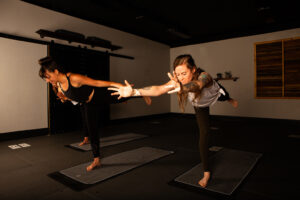
As we age, many things start to change—some expected, some surprising. One often-overlooked but incredibly important change is our sense of balance. It might start subtly: feeling a bit unsteady getting out of bed, stumbling over a curb, or avoiding stairs because they suddenly feel risky.
But here’s the truth: balance isn’t just about staying upright—it’s about staying independent. And the good news? You can train your balance, and yoga is one of the most effective, low-impact ways to do it.
Let’s explore why balance matters more as we age, and how yoga can help keep you steady, strong, and confident.
⚖️ Why Balance Matters More as We Age
1. Reduces Fall Risk
Falls are the leading cause of injury among older adults—and one of the top reasons for hospital visits in people over 65. Poor balance significantly increases the risk of falling, which can lead to fractures, mobility issues, and a loss of independence.
2. Preserves Independence
Good balance helps you do daily tasks with ease—walking, getting up from a chair, reaching for something high, or navigating uneven terrain. When your balance is strong, you’re more likely to live independently and stay active longer.
3. Supports Joint and Bone Health
As balance improves, your movements become more controlled, reducing strain on your joints and helping prevent injuries that could worsen conditions like arthritis or osteoporosis.
4. Improves Posture and Spine Health
Balance training engages your core and stabilizer muscles, which support your spine and improve posture—key for reducing back pain and preventing spinal curvature (especially common in older adults).
?♂️ How Yoga Helps Improve Balance
Yoga is more than stretching or meditation—it’s a whole-body discipline that combines strength, flexibility, focus, and yes, balance. Here’s how it directly supports better stability:
✅ Strengthens Stabilizer Muscles
Yoga activates deep muscles around your ankles, knees, hips, and core—all of which help keep you stable in everyday movements. Poses like Tree Pose or Warrior III challenge your ability to stay upright while engaging these important muscle groups.
✅ Enhances Body Awareness (Proprioception)
Many yoga poses train proprioception, your body’s ability to sense where it is in space. Better body awareness means fewer missteps, quicker reactions to imbalance, and more control over your movements.
✅ Improves Coordination and Focus
Balance isn’t just physical—it’s mental too. Holding a yoga pose requires focus, coordination, and breath control. Practicing regularly improves your brain-body connection and helps you stay mentally sharp.
✅ Trains You in Controlled Movement
Rather than reacting with a sudden “catch-yourself” movement, yoga teaches slow, mindful transitions that mirror safe movement patterns in daily life—whether you’re bending down, turning around, or stepping sideways.
?♀️ Best Yoga Poses for Balance (Beginner-Friendly)
If you’re new to yoga, start with these safe, foundational poses that gently train balance and stability:
Tree Pose (Vrksasana) – Builds ankle, leg, and core strength
Chair Pose (Utkatasana) – Engages thighs and promotes grounded stability
Warrior II (Virabhadrasana II) – Teaches controlled posture and leg strength
Eagle Pose (Garudasana) – Challenges coordination and focus
Mountain Pose (Tadasana) – Teaches alignment and posture awareness
Half Moon Pose (Ardha Chandrasana) – Improves balance and lateral stability
Hold each pose for 5–10 breaths, using a wall or chair for support if needed. With consistent practice, you’ll feel more confident and balanced—not just on the mat, but in everyday life.
? Real Talk: Balance Can Be Rebuilt at Any Age
You don’t have to be young, athletic, or flexible to improve your balance. Studies show that older adults who practice yoga just 2–3 times per week experience better balance, fewer falls, and improved mobility—often within a few months.
It’s never too late to start. Whether you’re 45 or 75, your body can adapt and grow stronger with the right kind of movement.
✅ Final Thoughts: Balance Today, Independence Tomorrow
Maintaining good balance isn’t just about avoiding falls—it’s about living life fully. Feeling stable in your body means you can travel, garden, dance, play with grandkids, and move confidently through the world.
And yoga? It’s a powerful, accessible, and enjoyable way to get there.
So the next time you roll out your mat, remember: you’re not just practicing poses—you’re building a more balanced, resilient you.
